There’s something about turning 30 that feels different.
For some, it feels exciting. For others, overwhelming.
And for many people, it quietly arrives with a long list of questions they never expected to ask.
By 30, society often assumes you should have life “figured out.”
A stable career. Healthy relationships. Financial clarity. Emotional maturity. A plan for the future.
But real life rarely unfolds that neatly.
Many people enter their 30s carrying invisible pressure – comparing timelines, questioning decisions, and wondering whether they are truly happy with the life they’ve built so far. And yet, this decade is not about having everything sorted. In many ways, your 30s are actually the beginning of deeper self-awareness.
This is the decade where people begin asking more honest questions:
Am I truly fulfilled?
What kind of life do I actually want?
Do my choices reflect my values?
Who am I outside of expectations and achievements?
These questions are not signs of failure.
They are signs of growth.
Through counselling for 30 year olds, many individuals begin navigating this stage with greater clarity, confidence, and emotional resilience, learning that thriving in your 30s is less about perfection and more about intentional living.
Why Your 30s Feel Like a Turning Point
Your 20s are often about exploration and experimentation.
Your 30s, however, tend to bring reflection.
This is the phase where decisions start feeling more long-term:
- Career advancement
- Marriage or long-term relationships
- Parenthood and family planning
- Financial stability
- Personal identity and purpose
At the same time, many people begin reassessing earlier goals.
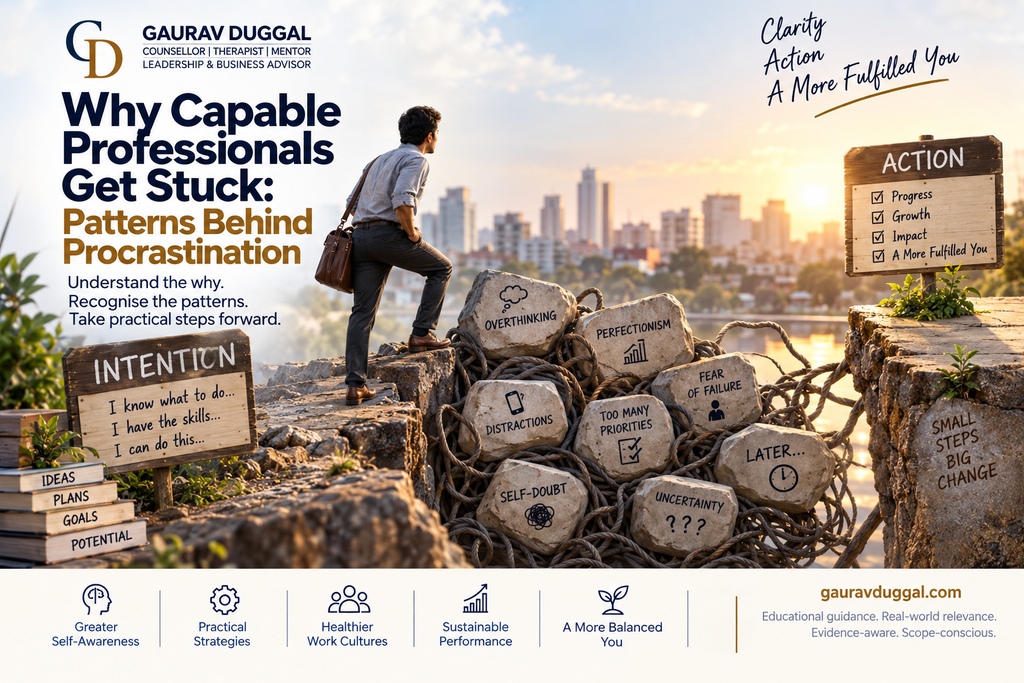
A career that once felt exciting may suddenly feel exhausting.
Relationships may evolve. Priorities may shift.
Success itself may begin to look very different.
This emotional transition is incredibly common – even for people who appear successful on the outside.
In fact, many individuals seek therapy for adults in their 30s because this decade often brings a deeper need for alignment, meaning, and emotional balance.
The Quiet Pressure of Your 30s
One of the biggest emotional struggles people experience during this decade is the pressure to “keep up.” Social media constantly shows promotions, weddings, babies, houses, vacations, and achievements – making it easy to feel like everyone else is ahead. But comparison often hides reality.
Behind many seemingly perfect lives are people dealing with:
- Anxiety about the future
- Burnout and emotional exhaustion
- Relationship struggles
- Career confusion
- Loneliness
- Self-doubt
- Identity questions
Even individuals who are professionally successful may internally feel disconnected or uncertain.
This is why counselling for 30 year olds has become increasingly important. Therapy creates space to slow down, reflect honestly, and reconnect with yourself beyond external expectations.
Career Growth, Burnout & Identity Shifts
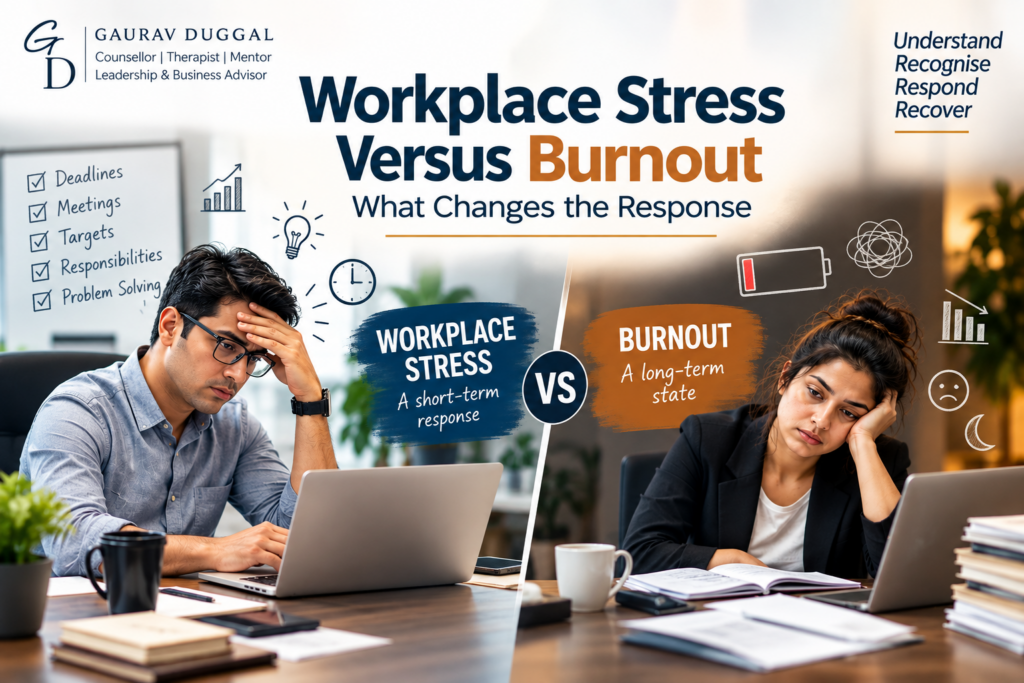
Your 30s are often deeply connected to career identity. Some people are building stability and momentum. Others are realizing that the path they chose no longer feels meaningful.
You may find yourself:
- Wanting a career change
- Feeling emotionally burned out
- Struggling with work-life balance
- Craving more purpose in your work
- Questioning success and ambition
- Feeling stuck despite professional growth
At the same time, personal identity evolves too. Life experiences begin shaping you differently.
You become more aware of your emotional needs, boundaries, values, and long-term goals.
This period of self-reflection can feel uncomfortable, but it is often an important stage of emotional maturity and personal growth.
Common Emotional Challenges in Your 30s
Although the 30s are often associated with stability, emotionally they can feel surprisingly complex.
- Increased Responsibilities : Career expectations, financial commitments, caregiving roles, and family responsibilities often increase significantly during this decade.
- Self-Doubt & Comparison: Many people quietly wonder whether they are “behind” in life compared to others.
- Fear of Making the Wrong Decisions: Questions around relationships, career choices, relocation, or family planning can create anxiety and overthinking.
- Identity Questions: You may begin realizing that your current lifestyle no longer aligns with who you are becoming.
- Emotional Exhaustion: Trying to balance ambition, relationships, health, and personal wellbeing can feel overwhelming at times.
These experiences are more common than most people realize.
And often, they are not signs that something is wrong – they are signs that you are evolving.
How Counselling for 30 Year Olds Can Help
Therapy during your 30s is not only about solving problems.
It is also about creating clarity, emotional resilience, and healthier ways of navigating life.
Through counselling for 30 year olds, individuals can:
- Understand recurring emotional patterns
- Build confidence and self-awareness
- Manage stress and anxiety more effectively
- Improve communication and relationships
- Develop healthier boundaries
- Navigate major life transitions
- Gain clarity about career and personal goals
Sometimes, people simply need a safe and non-judgmental space to process what they are feeling. And often, that space becomes the beginning of meaningful transformation.
Adult Identity Therapy: Rediscovering Who You Are
One of the most important emotional shifts in your 30s is the movement from external validation to internal alignment. This is where adult identity therapy becomes especially valuable.
Many adults reach a point where they begin asking:
- Who am I beyond my job title?
- What genuinely matters to me?
- What kind of relationships do I want?
- Am I living according to my values?
Adult identity therapy helps individuals explore:
- Personal values and beliefs
- Emotional needs
- Relationship patterns
- Boundaries and self-worth
- Life goals and purpose
- Authentic identity beyond societal expectations
This process often leads to greater emotional clarity, confidence, and intentional decision-making.
Thriving in Your 30s: What It Actually Looks Like
Thriving in your 30s does not mean having everything perfectly figured out.
It means learning how to grow through uncertainty with greater self-awareness and balance.
Some healthy ways to support emotional wellbeing during this decade include:
- Practice Self-Compassion: Your journey does not need to match someone else’s timeline.
- Redefine Success: Success is not only about achievement — it is also about peace, fulfillment, and emotional wellbeing.
- Prioritize Mental Health: Rest, emotional support, therapy, and self-care are not luxuries. They are essential.
- Invest in Meaningful Relationships: Strong emotional connections provide stability during periods of transition.
- Allow Yourself to Evolve: You are allowed to outgrow old versions of yourself.
Growth often requires change.
Redefining Success in Your 30s
One of the most powerful things that happens during this decade is that success becomes more personal. In your 20s, success may have looked like:
- Achievement
- Recognition
- Productivity
- Social approval
But in your 30s, many people begin valuing:
- Emotional wellbeing
- Authentic relationships
- Inner peace
- Meaningful work
- Personal growth
- A balanced life
And that shift can be incredibly freeing.
Because thriving in your 30s is not about proving yourself to the world.
It is about building a life that genuinely feels aligned with who you are becoming.
Final Thoughts
Turning 30 is not the end of discovery.
For many people, it is the beginning of deeper self-understanding.
This decade invites you to slow down, reflect honestly, and make choices that feel intentional rather than performative.
Through counselling for 30 year olds and adult identity therapy, individuals can navigate career uncertainty, relationship changes, emotional stress, and personal growth with greater clarity and resilience.
You do not need to have everything figured out to thrive. You simply need the willingness to understand yourself more deeply and grow from there.
Ready to Navigate Your 30s with More Clarity?
If you are feeling stuck, overwhelmed, uncertain, or simply ready to understand yourself more deeply, counselling can help you move forward with greater confidence and emotional balance.
Whether you are navigating career decisions, relationships, identity shifts, or life transitions, therapy provides a safe space to explore, heal, and grow.
Reach out today to begin your journey toward a more intentional and fulfilling life.