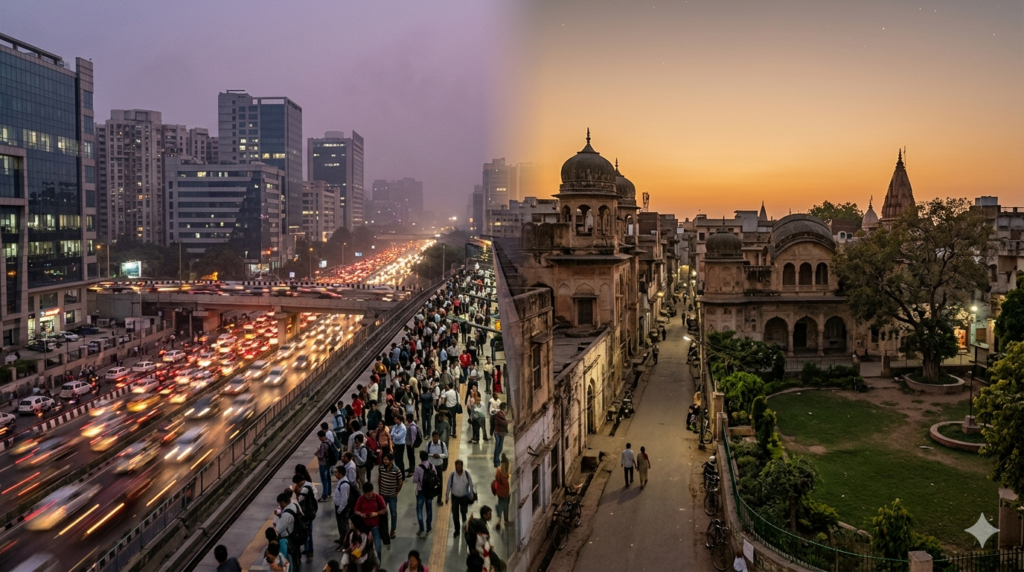
A corporate professional in Mumbai dealing with burnout, and a young adult in a Tier 2 city silently struggling with anxiety – both need support.
But their access to mental health services in India looks very different.
While metro cities are seeing a rise in therapy awareness and access, individuals in Tier 2 and Tier 3 cities often navigate a mix of limited access, hesitation, and social stigma.
In my work across therapy, counselling, and mentoring, I often see this contrast – clients from metros seeking help for performance pressure and burnout, while those from smaller cities take longer to reach out, often after struggling silently for years.
This is not just a gap in services – it is a gap in awareness, exposure, and comfort with seeking support.
Understanding Mental Health Needs Across India
Mental health influences how we think, feel, and function – regardless of where we live.
Yet, access to mental health services in India varies significantly depending on geography, lifestyle, and social environment.
While emotional challenges such as stress, anxiety, and relationship concerns are common across the country, the way people respond to them – and whether they seek help – differs greatly.
Metro Cities: Access is Easier, But Pressure is Higher
Metro cities like Mumbai, Delhi, Bangalore, Pune, and Hyderabad have seen rapid growth in mental health services in India.
People in these cities have access to:
- Therapy and counselling clinics
- Psychologists and psychiatrists
- Online therapy platforms
- Workplace wellness programs
- Support groups and communities
There is also greater openness to discussing mental health.
But metro life comes with its own challenges:
- High-performance work culture
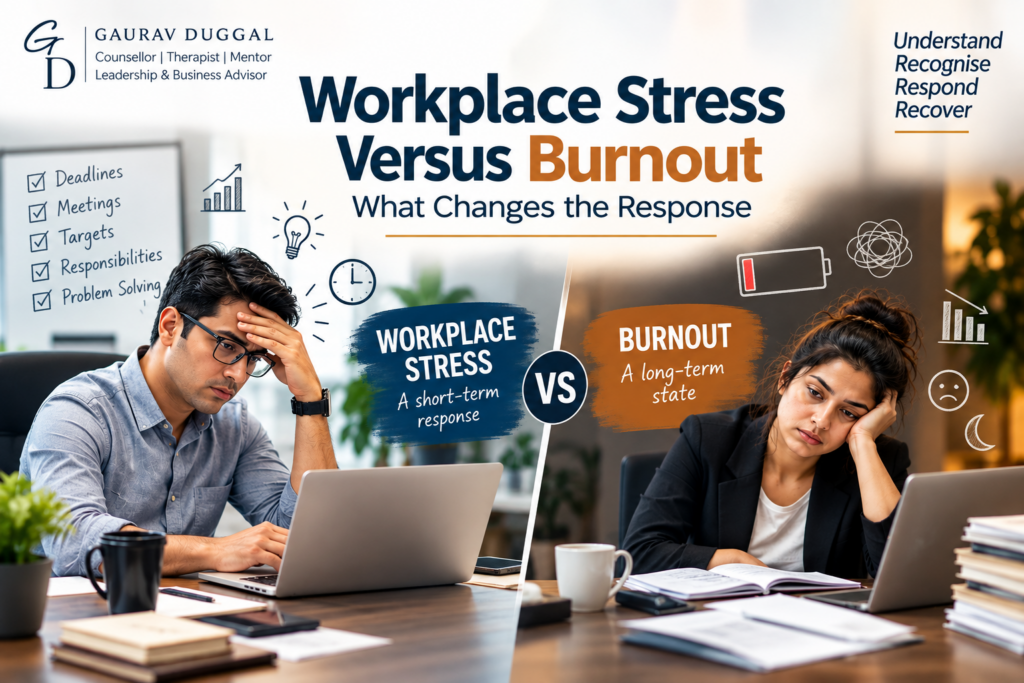
- Long hours and burnout
- Financial pressure and lifestyle expectations
- Social isolation despite busy environments
- Constant digital stimulation
So while access to mental healthcare in India is better in metros, the need for support is also significantly higher.
Tier 2 & Tier 3 Cities: Growing Awareness, But Hesitation Remains
In Tier 2 and Tier 3 cities, the conversation around mental health is evolving – but more gradually.
Access to mental health services in India is improving through online platforms, but challenges still remain.
Key Barriers in Tier 2/3 Cities
1. Limited Local Access
There are fewer:
- Qualified psychologists
- Therapy centers
- Structured mental health services
Many individuals rely on general physicians or informal advice.
2. Delay in Seeking Help
Unlike metro cities, where therapy is becoming normalized, individuals in smaller cities often:
- Wait longer before seeking support
- Reach out only when issues become overwhelming
3. Social Perception & Privacy Concerns
A major barrier is:
- “What will people think?”
- Fear of being judged within close-knit communities
This often leads to:
- Avoidance of therapy
- Preference for silence over support
4. Lack of Exposure to Therapy
Many people are simply unfamiliar with:
- How therapy works
- When to seek help
- What kind of support exists
This creates hesitation, even when mental health services in India are technically accessible online.
Stigma: Present Across Cities, Just Different in Form
Stigma exists in both metro and Tier 2/3 cities — but it shows up differently.
- In metros → hidden behind functionality (“I’m managing”)
- In smaller cities → more visible and socially driven
In both cases, people delay seeking mental health services in India, often until the situation becomes difficult to manage alone.
What Is Changing: A Shift in Mental Health Access
There is a visible shift happening across India.
1. Rise of Online Therapy
Digital platforms are bridging the gap between metros and smaller cities.
People can now:
- Access therapy from anywhere
- Maintain privacy
- Choose the right therapist, not just the nearest one
For many in Tier 2/3 cities, this is a turning point in accessing mental health services in India.
2. Increasing Awareness
Social media, education, and workplace conversations are slowly normalizing mental health discussions. Younger generations, especially, are more open to seeking help.
3. Changing Mindsets
There is a gradual shift from:
- “Something is wrong with me”
- to “I can seek support and improve my situation”
Bridging the Gap: What Still Needs to Improve
To make mental health services in India truly accessible, the focus needs to be on:
- Making therapy more approachable and relatable
- Increasing awareness in non-metro regions
- Reducing stigma through conversation
- Expanding affordable and flexible support options
Because access alone is not enough – comfort and trust matter just as much.
Conclusion
Mental health challenges are not limited by geography — but access, awareness, and action often are. Metro cities are seeing progress in access and openness, while Tier 2 and Tier 3 cities are gradually catching up. Bridging this gap requires not just better mental health services in India, but also a shift in how we perceive and approach mental well-being.
If You’re Considering Seeking Support
Whether you are in a metro city or a Tier 2/3 location, support today is more accessible than ever. If you’ve been feeling stuck, overwhelmed, or unsure about your next step – speaking to a professional can provide clarity and direction.
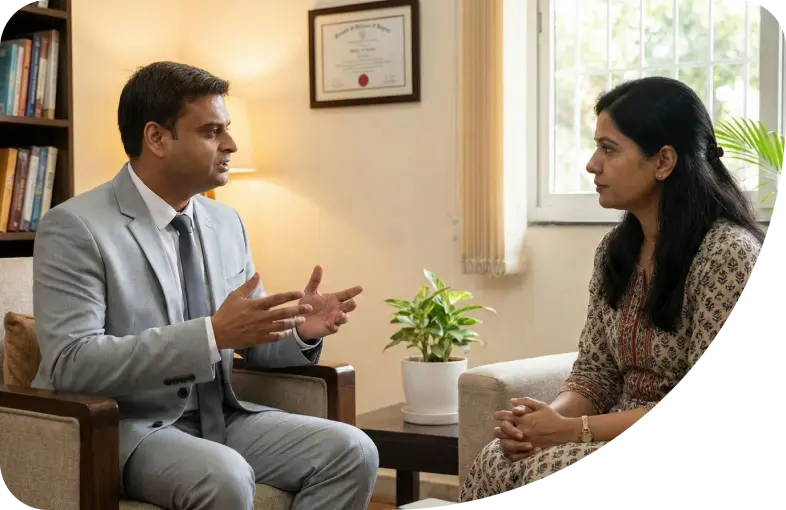
In my work, I focus on creating a space that is structured, practical, and tailored to individual needs — whether it’s therapy, counselling, or mentoring.
You can explore mental health services in India and find the right support for your situation here.